


Lizzy Herzer
Three insights from Berlin: AI makes purchasing decisions transparent, the "human in the loop" remains crucial, and practical use cases convince more than theoretical concepts
When I enter the impressive Kassenhalle of the Humboldt Carré at half past seven in the morning, I immediately sense the special atmosphere of this 15th Hospital Procurement Congress. Over 300 procurement managers, managing directors, and industry experts from Germany, Switzerland, and Austria have come to Berlin – and the mood is a mixture of optimism and tension. No wonder: with over 70% of hospitals in the red and a reform marathon that is reshaping the entire industry, the signs point to change.
When the Congress President Invites You to an AI Demo
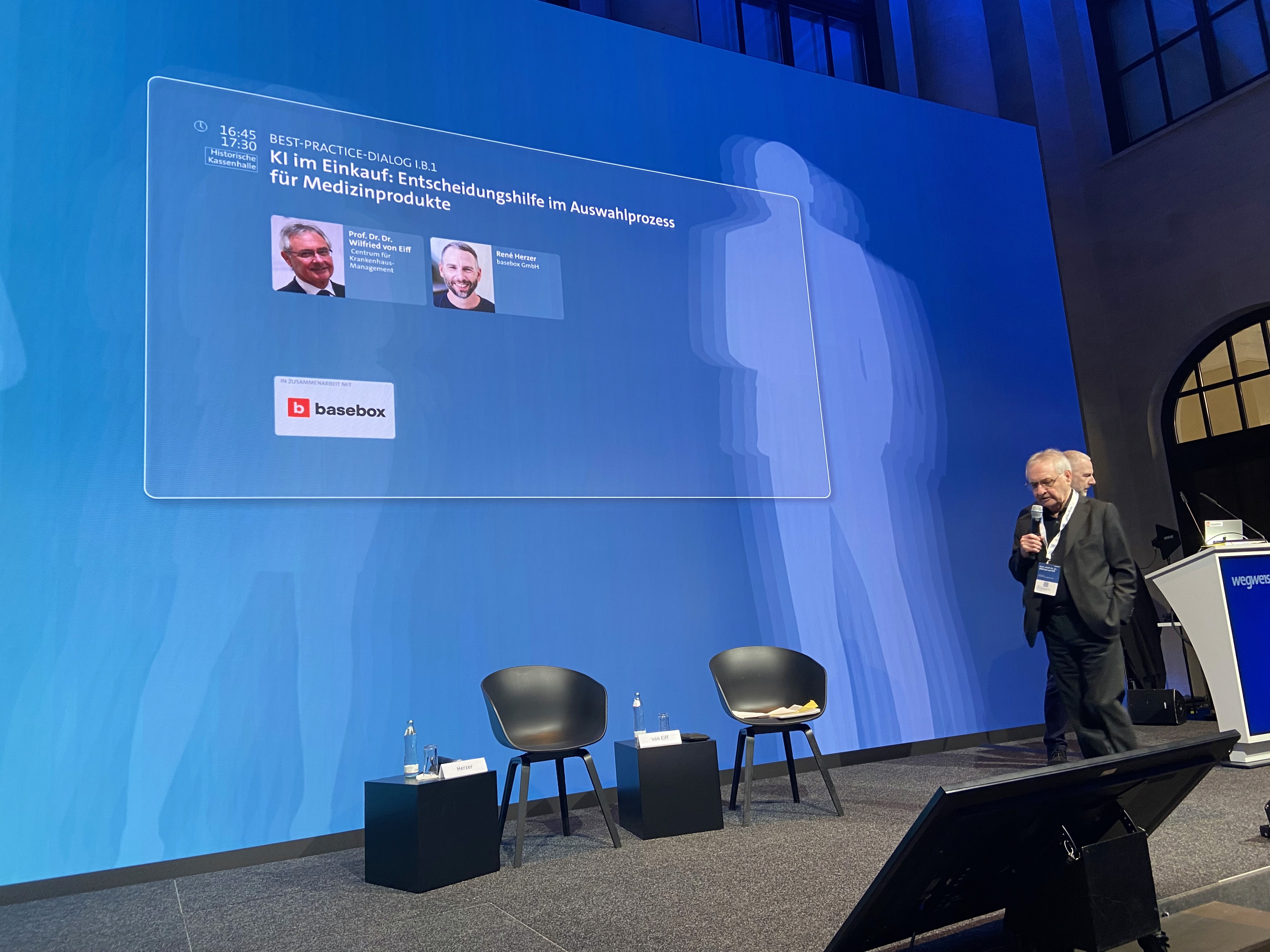
The Kassenhalle fills up for our joint presentation with Congress President Prof. Dr. Dr. Wilfried von Eiff.
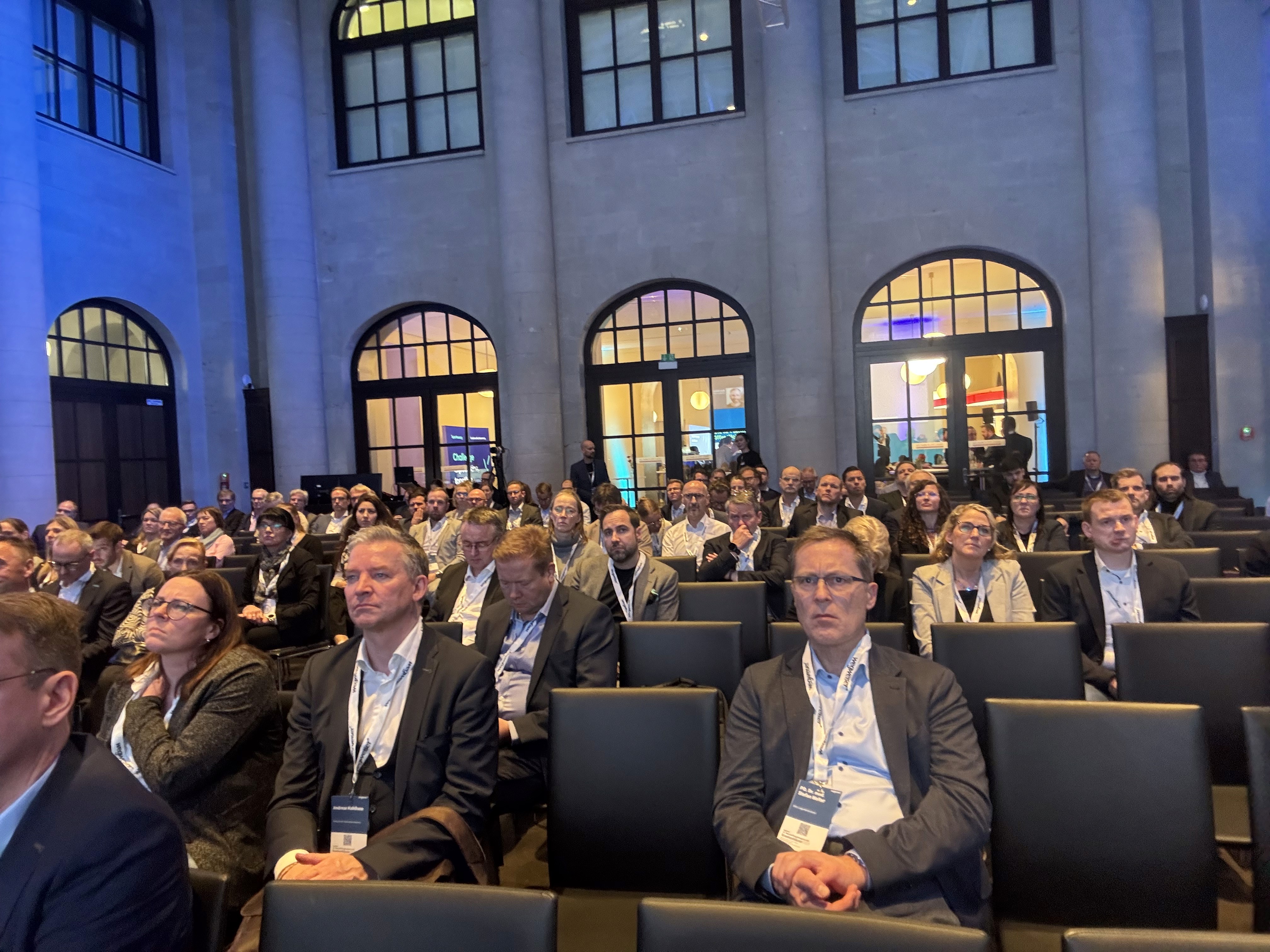
Over 70 participants take their seats – significantly more than expected. The topic "AI in Procurement: Decision Support in the Selection Process for Medical Devices" has obviously struck a nerve.
Prof. von Eiff begins with a simple but effective example: "Imagine you have to choose between three glove models," he says to the attentive faces in the audience. "Traditionally, you would pore over data sheets, compare offers, and hope you don't overlook anything important."
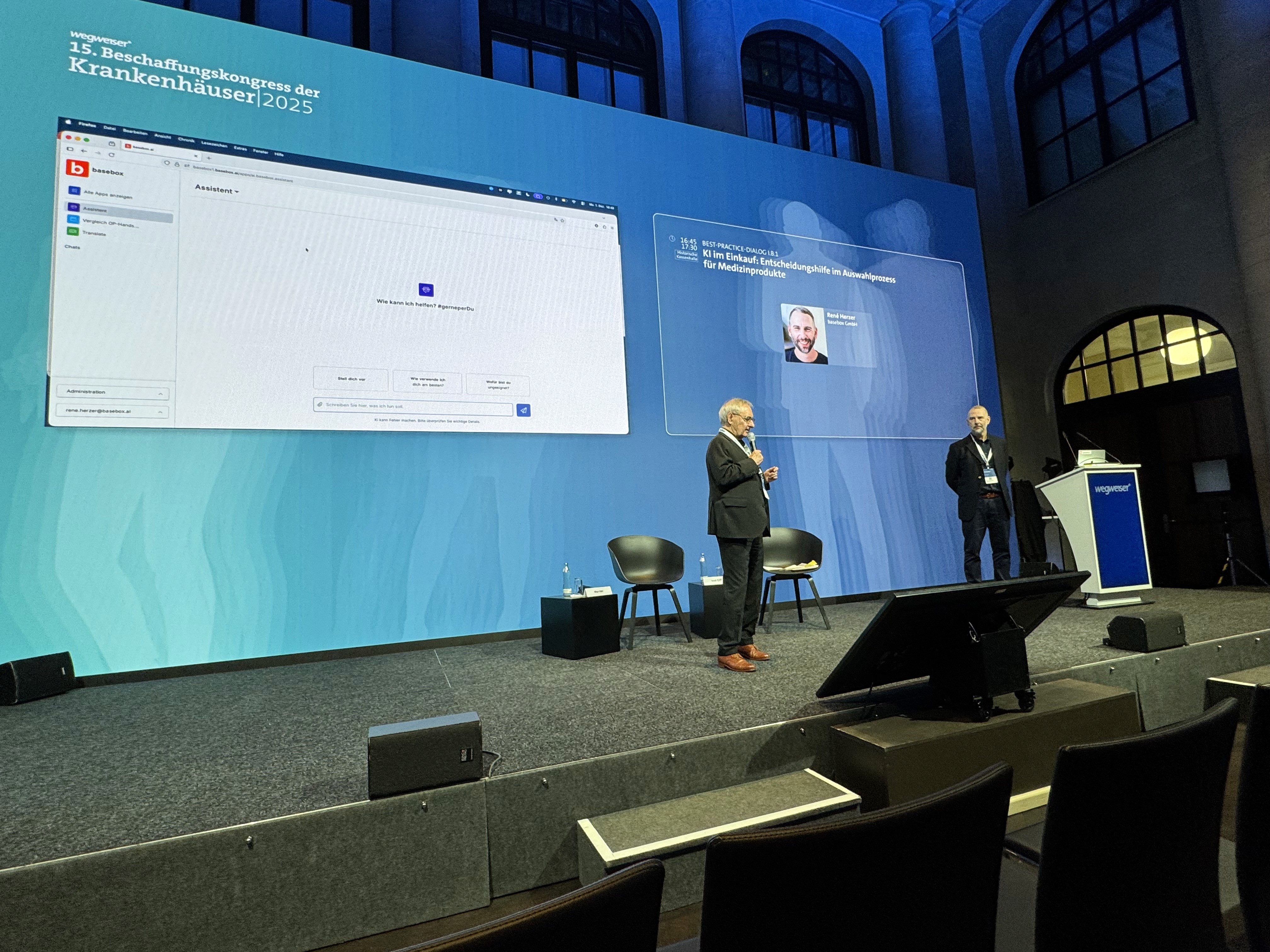
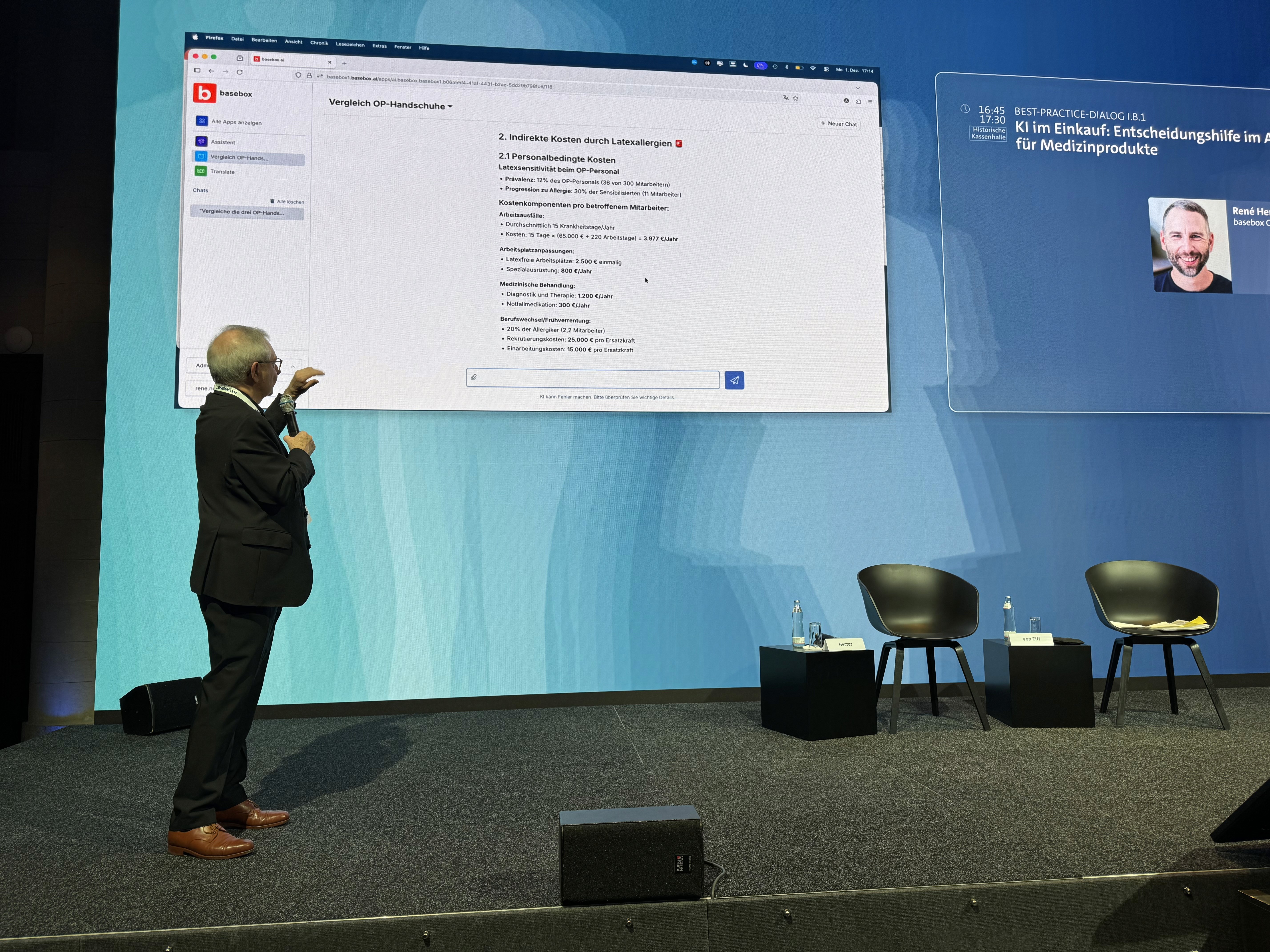
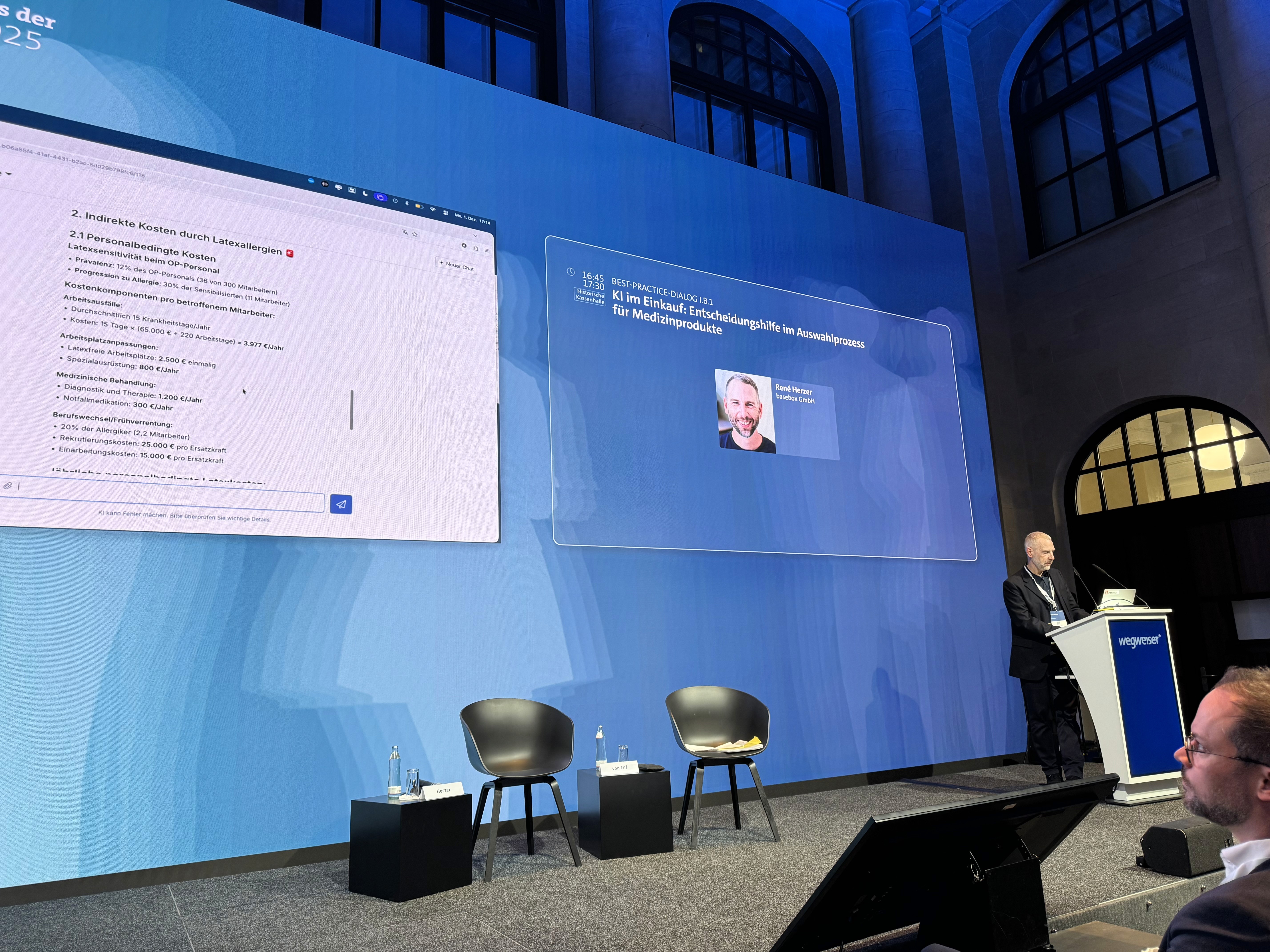
What follows is a live demonstration of our basebox platform by René Herzer, our founder and CEO. In real-time, René shows how our AI analyzes, structures, and makes comparable the complex product data of the three glove variants. Material composition, allergen potential, grip safety, sustainability – everything becomes transparent and comprehensible at a glance.
"The Human in the Loop is Crucial"
Prof. von Eiff emphasizes a point that particularly sticks in my memory: "AI will play an important role in the future. But the decisive factor with AI is the human in the loop. Critical reflection is important." This statement hits exactly the core of our philosophy at basebox – technology as support, not as a replacement for human expertise.
The audience's reaction is remarkable. I observe how the initial skepticism in their faces transforms into genuine interest. A procurement manager from Munich leans over to his colleague and whispers: "This could really help us with our tenders."
After the presentation, something happens that I hadn't expected to this extent: A whole series of procurement managers and purchasing executives come directly to us. "Can you show us this again for our specific case?" asks a procurement manager from Baden-Württemberg. A procurement manager from the Ruhr area wants to know: "How quickly could we implement this with us?"
Reform Backlog and the Power of Small Steps
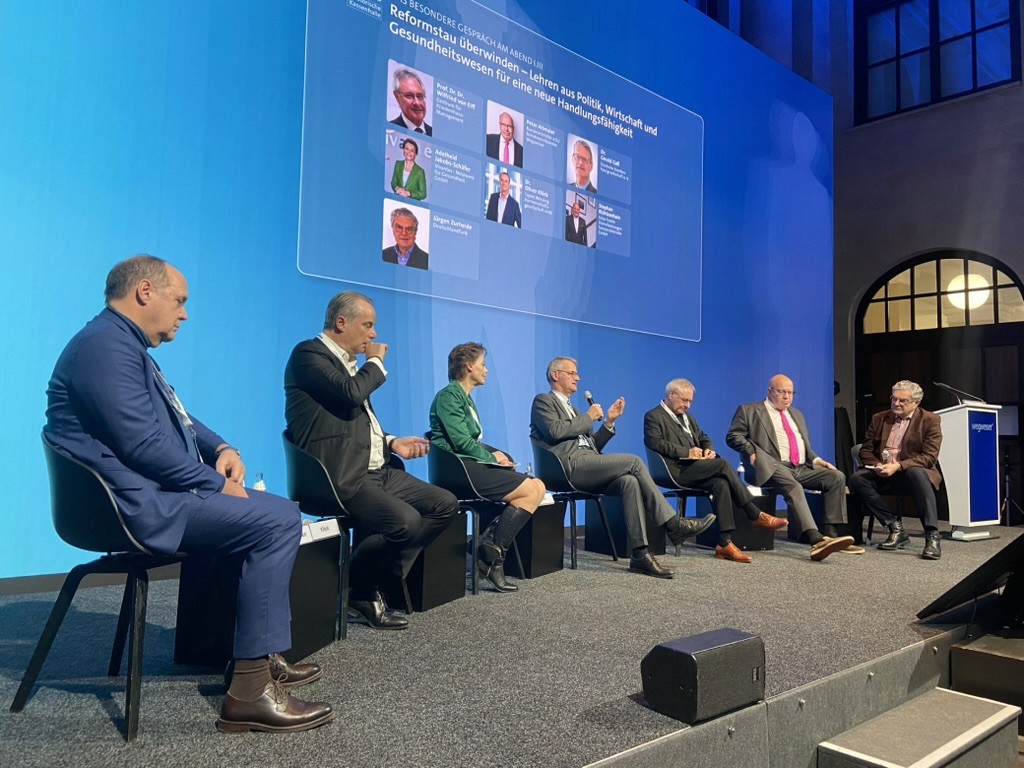
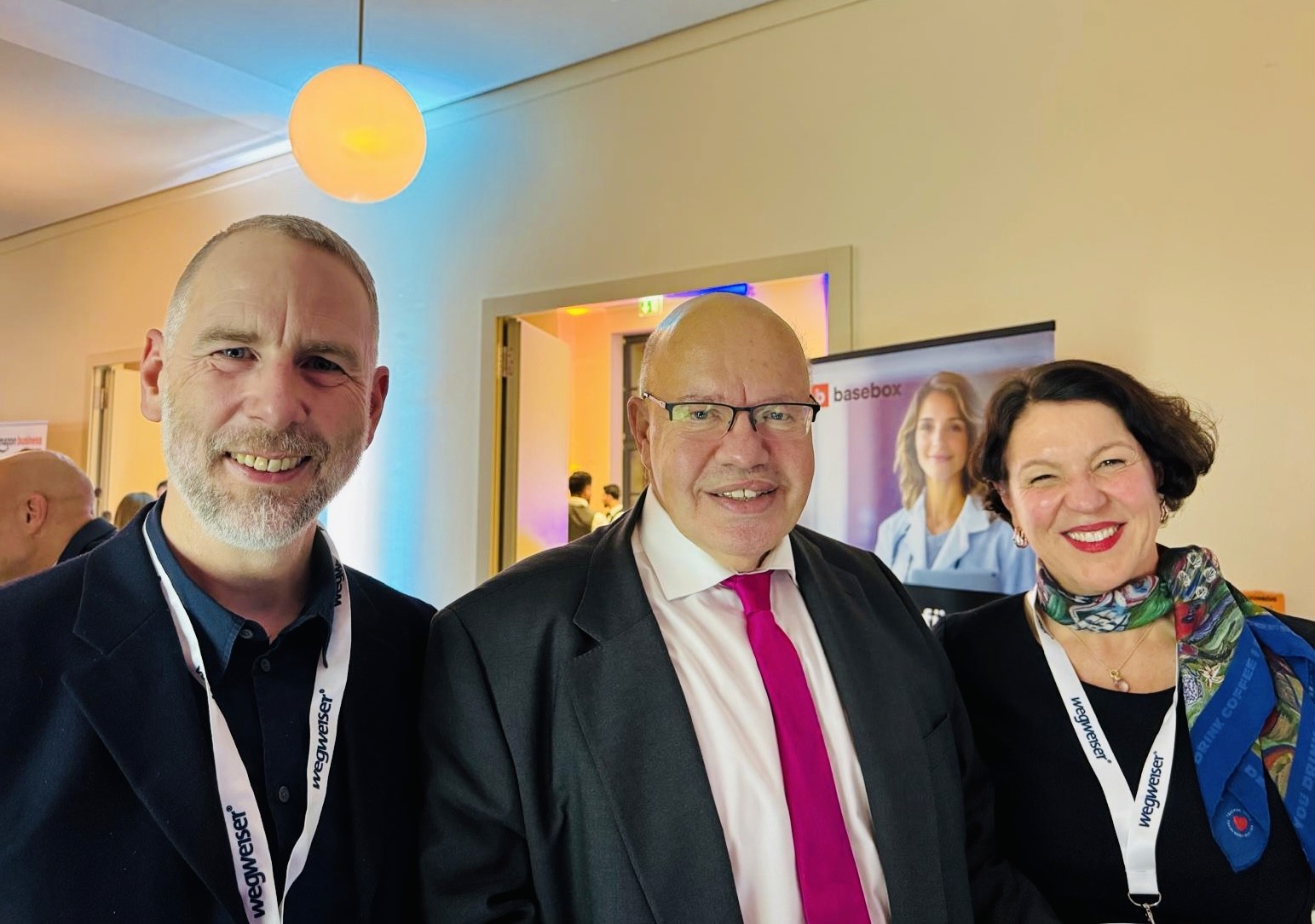
Particularly impressive was the subsequent panel discussion with high-profile guests: Peter Altmaier (former Federal Minister), Dr. Gerald Gaß from the German Hospital Association, and Adelheid Jakobs-Schäfer, Managing Director of Vivantes. Moderated by Jürgen Zurheide from Deutschlandfunk, everything revolved around the topic "Overcoming Reform Backlog – Lessons from Politics, Business, and Healthcare for New Capacity to Act."
Altmaier made two important points: "Every problem you put on the back burner becomes a bigger problem." And particularly noteworthy: "Cross-party communication is very, very important. Disputes should be conducted in a small circle before they are debated publicly."
But it was Adelheid Jakobs-Schäfer who delivered the quote of the day: "If you want change, you must communicate positive goals and communicate positively – and not always say what doesn't work."
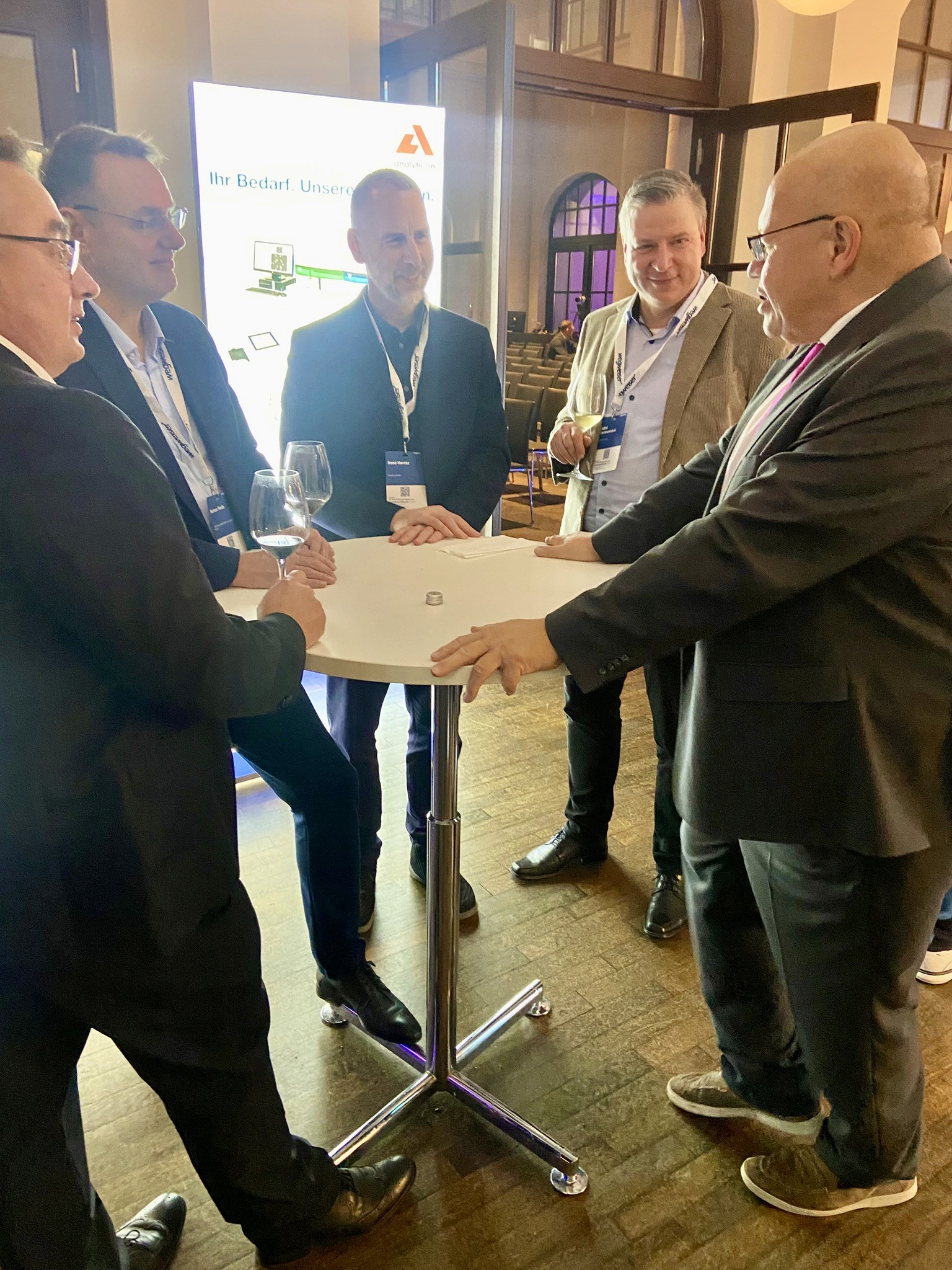
These words echoed in my mind as I later spoke with interested visitors at the basebox booth. Here it wasn't about theoretical future visions, but about concrete solutions for everyday challenges.
Numbers That Give Pause for Thought
The dimension of the challenges became clear again and again during the congress. Thomas Bodmer from DAK-Gesundheit presented impressive figures: Hospital expenditures in Germany have risen from 71.14 billion euros in 2015 to 104.7 billion euros in 2024. At the same time, health insurance companies are below the minimum reserve – one at minus 6.6%, another even at minus 21%.
Prof. Dr. Alexander W. Friedrich from the University Hospital Münster brought a provocative thesis into play: "We don't have too few nursing staff, but too many beds."
Robert Günther from Klinikum Fichtelgebirge put it this way in the BKK Procurement Monitor 2025: "In the future, AI will help us a lot in the area of hospital procurement." The most frequently mentioned word in his session? Interoperability.
My Key Takeaways
AI needs the human factor: The most successful AI implementations in hospital procurement will be those that don't replace humans but improve and accelerate their decision-making.
Simple use cases convince: Our surgical glove comparison was deliberately chosen to be simple – and that's exactly why it was so effective. Complex technology must be explained simply.
Cost pressure creates innovation readiness: With over 70% of hospitals in the red, procurement managers are more open than ever to solutions that demonstrably increase efficiency and reduce costs.
Sustainability becomes a mandatory topic: All hospitals are supposed to be climate-neutral by 2050. This fundamentally changes procurement criteria.
Positive communication moves: Adelheid Jakobs-Schäfer's appeal for positive goal communication instead of problem focus is also relevant for us as technology providers.
Outlook: The Future of Hospital Procurement
The 15th Procurement Congress has shown: The industry is at a turning point. Consolidation in clinical procurement is gaining momentum, with a mediated procurement volume in the billions. Data-driven transparency and digital platforms are being scaled across Europe.
For us at basebox, this means: We are in the right place at the right time. The conversations after our presentation have shown that the market is ready for AI-supported procurement solutions – if they are practical, transparent, and human-centered.
Would you like to learn how basebox can also enhance your procurement process? Contact us for an individual demo. Let us show together how AI makes your procurement decisions not only faster, but also better.
Copy link
Stay Up to Date