


Lizzy Herzer
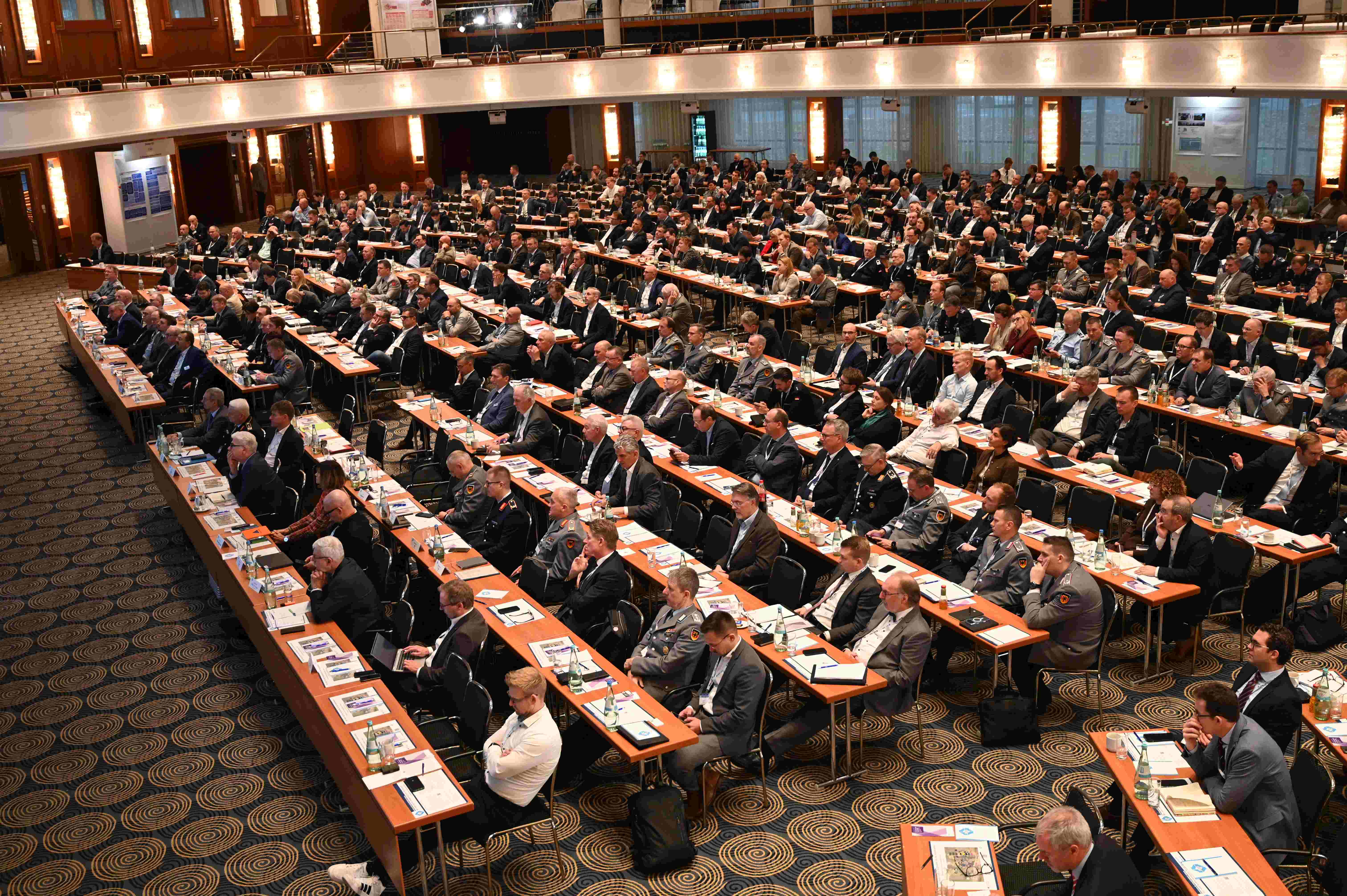
Observations from the Professional Conference at Hotel Maritim Bonn
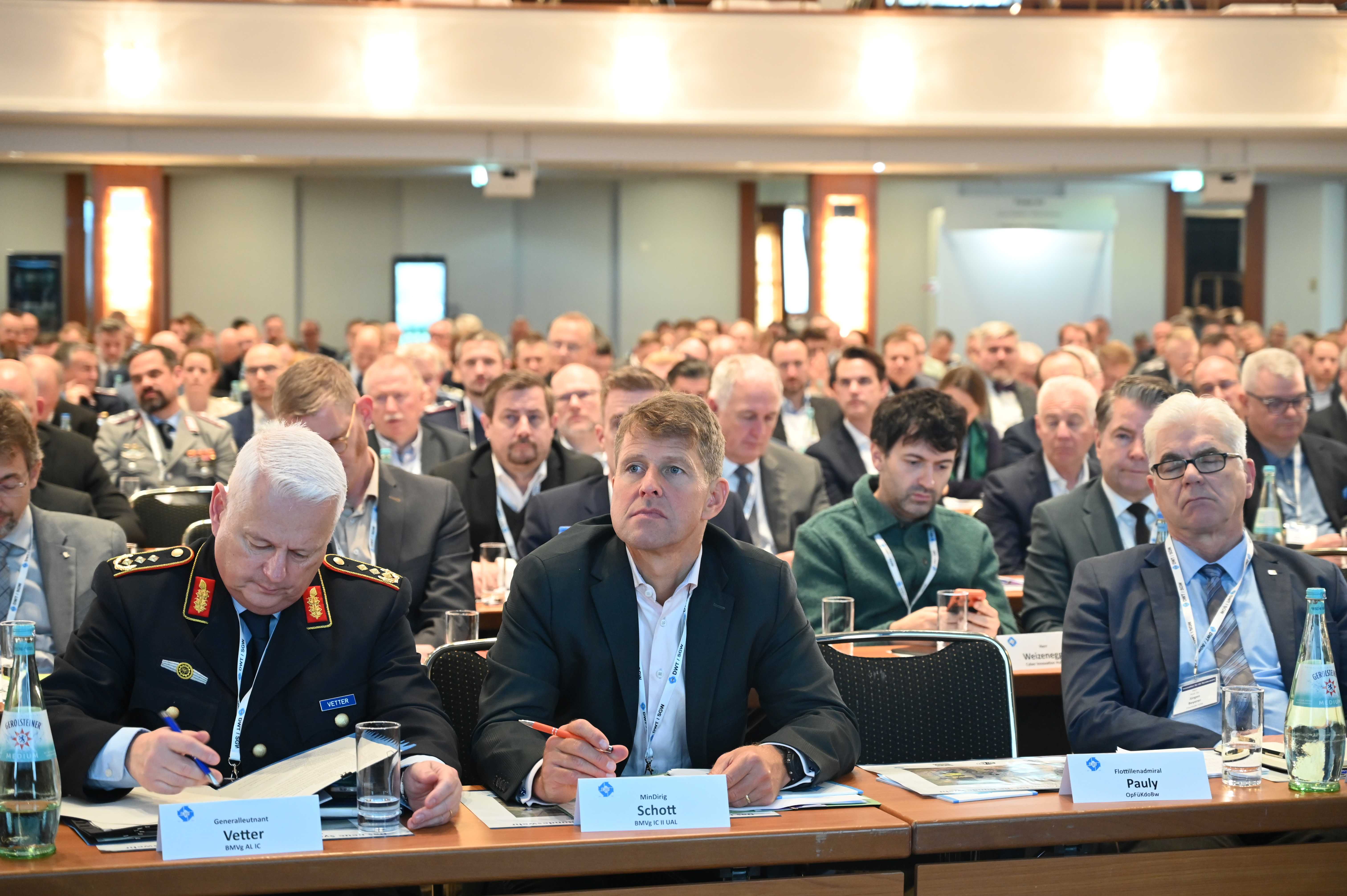
On the morning of December 8, 2025, representatives of the Bundeswehr, industry experts, and researchers gather at Hotel Maritim in Bonn for the DWT conference "The New Innovation System for the Bundeswehr." The event is dedicated to the challenges of technological modernization in the defense sector. From the perspective of the AI industry, various aspects are of interest.
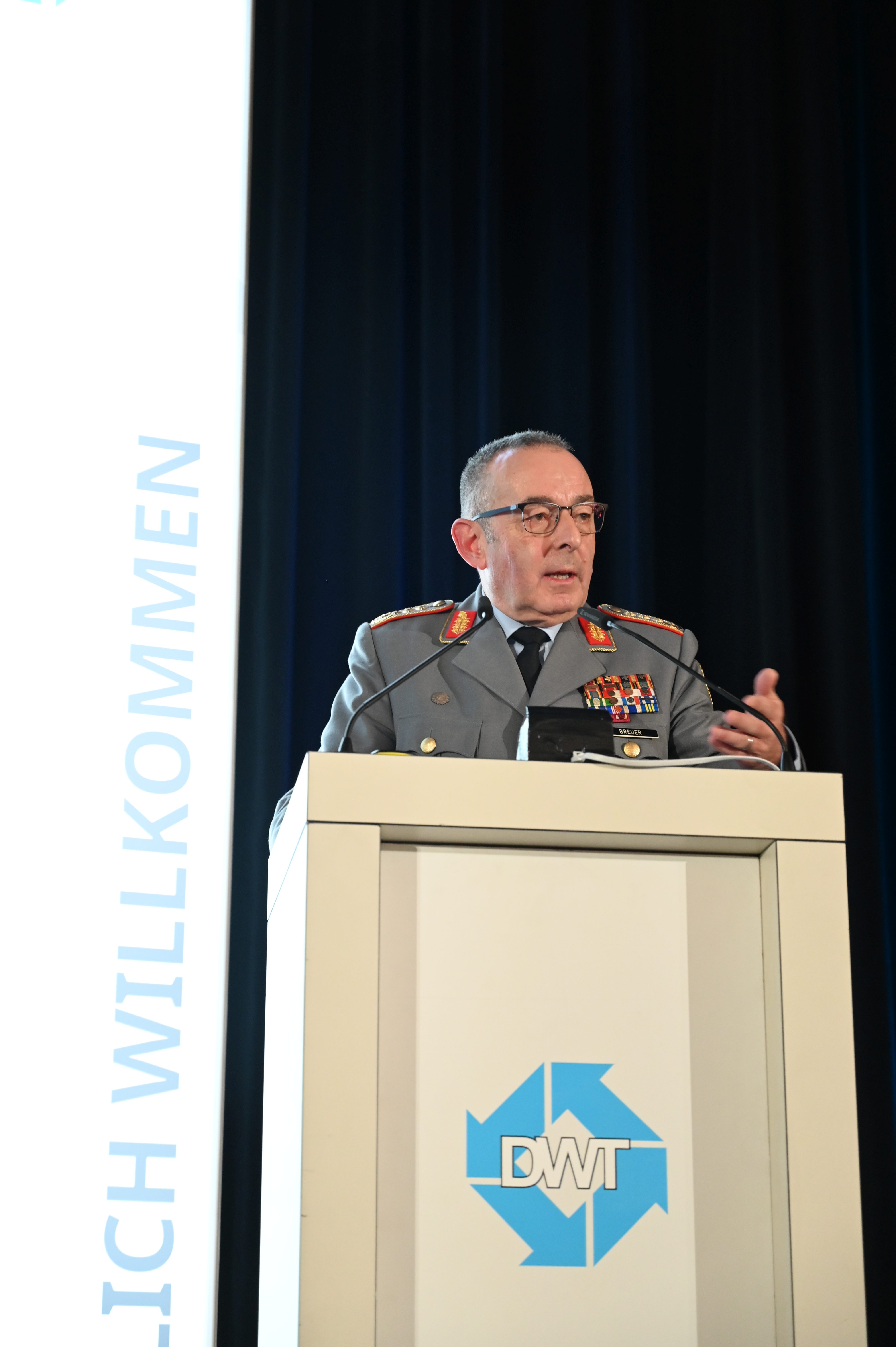
Inspector General of the German Armed Forces, Lieutenant General Carsten Breuer
Insight 1: Data Sovereignty Becomes a Key Factor
Dr. Hans C. Atzpodien from BDSV delivers a sobering figure right at the start: Europe spends only one-tenth of US expenditures on military innovation. This "Zeitenwende 2.0," as he calls it, is particularly evident in software solutions. His central question gets to the heart of the dilemma: "Who owns the updates?"
This seemingly simple question exposes a fundamental problem: When critical systems depend on external software updates, who actually controls the technology? The question of data sovereignty becomes very concrete here.
Insight 2: Innovation Requires Radical Pragmatism
Colonel Bender from the newly established Bundeswehr Innovation Center puts it surprisingly directly: "Rethinking from perfection to flexibility and scalability of innovations." With 77 service positions, InnoZBw is supposed to advance technology campaigns for unmanned systems and swarm capabilities.
Richard Haas from the Startup Association brings in the economic perspective: Of 23,000 German startups, 11 percent are DeepTech companies. His core message: "Innovation needs risk tolerance and startups need contracts even in early phases."
Bender's paradigm shift from perfection to flexibility shows: Finally, awareness seems to be changing that innovation needs time and experimental space.
Insight 3: Software Defined Defence Becomes Reality
Prof. Holger Hanselka from Fraunhofer clearly identifies the core problem: "Long decision processes and bureaucracy delay the integration of new technologies." His solution approach sounds pragmatic: "Rapid testing of innovations in realistic environments including user feedback."
MinDirig Schott from BMVg makes "Software Defined Defence" one of his six innovation principles. The concept essentially means: Military capabilities are increasingly determined by software, not just by hardware. Systems can gain new functions through updates, various platforms can be flexibly networked, and AI algorithms take over more and more tasks.
Using the example of the Coalition Shared Data Server, Hanselka shows what this looks like in practice: STANAG-compliant data transformation solves the problem of "impeded information exchange due to incompatible data systems in multinational operations."
Dr. Holtmannspötter from the System Soldier Innovation Lab is already working on assistance systems – a classic example of Software Defined Defence, where AI solutions directly determine operational capability.
The Logic of Sovereign AI Solutions
All speakers circle around the same topic: How can Germany achieve technological sovereignty without losing innovation speed?
Atzpodien's question about ownership of updates, Hanselka's emphasis on technological sovereignty, and Schott's "Software Defined Defence" concept make it clear: AI systems must be completely under one's own control.
The logical consequence is on-premise AI solutions. They enable AI functionalities directly in one's own systems without external dependencies or data transmission to foreign clouds. This corresponds to both security requirements and Bender's "radical pragmatism" – fast, flexible implementation without compromises in data security.
My Key Takeaways:
The need is concrete and urgent – Everyone speaks of data sovereignty and rapid innovation, the readiness for new solutions is palpable
Paradigm shift is initiated – Bender's focus on flexibility instead of perfection opens doors for agile approaches
On-premise becomes a necessity – Software Defined Defence requires local control over critical AI systems
The Way Forward
The discussions in Bonn show: Germany has not only recognized the challenges but also created concrete structures. InnoZBw with 77 service positions, Hanselka's innovation partnerships, and Schott's six principles – an ecosystem is emerging here that is ready for new technologies.
The technology for sovereign AI solutions already exists. Now it's about proper implementation and the courage to leave established paths.
Are you working on projects that require genuine data sovereignty? The discussion about on-premise AI solutions and their strategic significance is becoming increasingly relevant.
(c) Photos: DWT
Copy link
Stay Up to Date