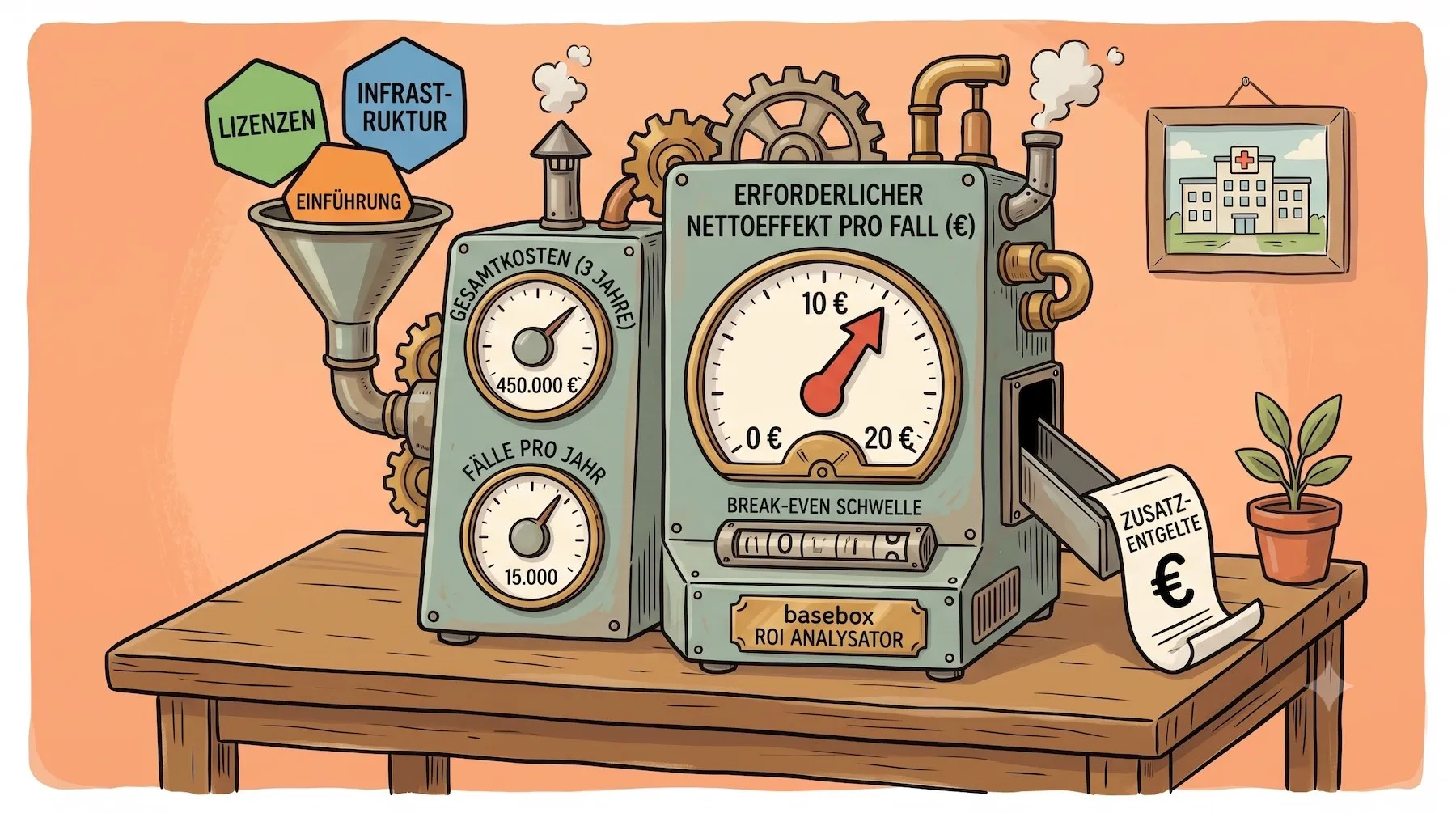
Warum Barcamps, chaotische Schnittstellen und ein “IT-Wimmelbild” die Digitalisierung im Gesundheitswesen prägen – und wie wir gemeinsam Lösungen finden
Ich freue mich auf jede KH-IT-Tagung, weil die Menschen hier einfach besonders sind. Der Austausch ist ehrlich, die Atmosphäre herzlich und man spürt sofort: Die meisten Organisatoren arbeiten ehrenamtlich für diese Veranstaltung. Das merkt man an jeder Ecke – die Tagung ist mit viel Engagement und Liebe zum Detail organisiert.
Zum ersten Mal in der 30-jährigen Geschichte wagten die Organisatoren ein Experiment: drei parallele Barcamps sollten den klassischen Vortragsmodus aufbrechen. “No money - more problems”, “Medizinproduktesicherheit nach MPBV” und “LLMs (sicher) im Krankenhaus” – schon die Themen zeigten, wo den IT-Leitern der Schuh drückt.
Wenn Experimentierfreude auf 30 Jahre Erfahrung trifft
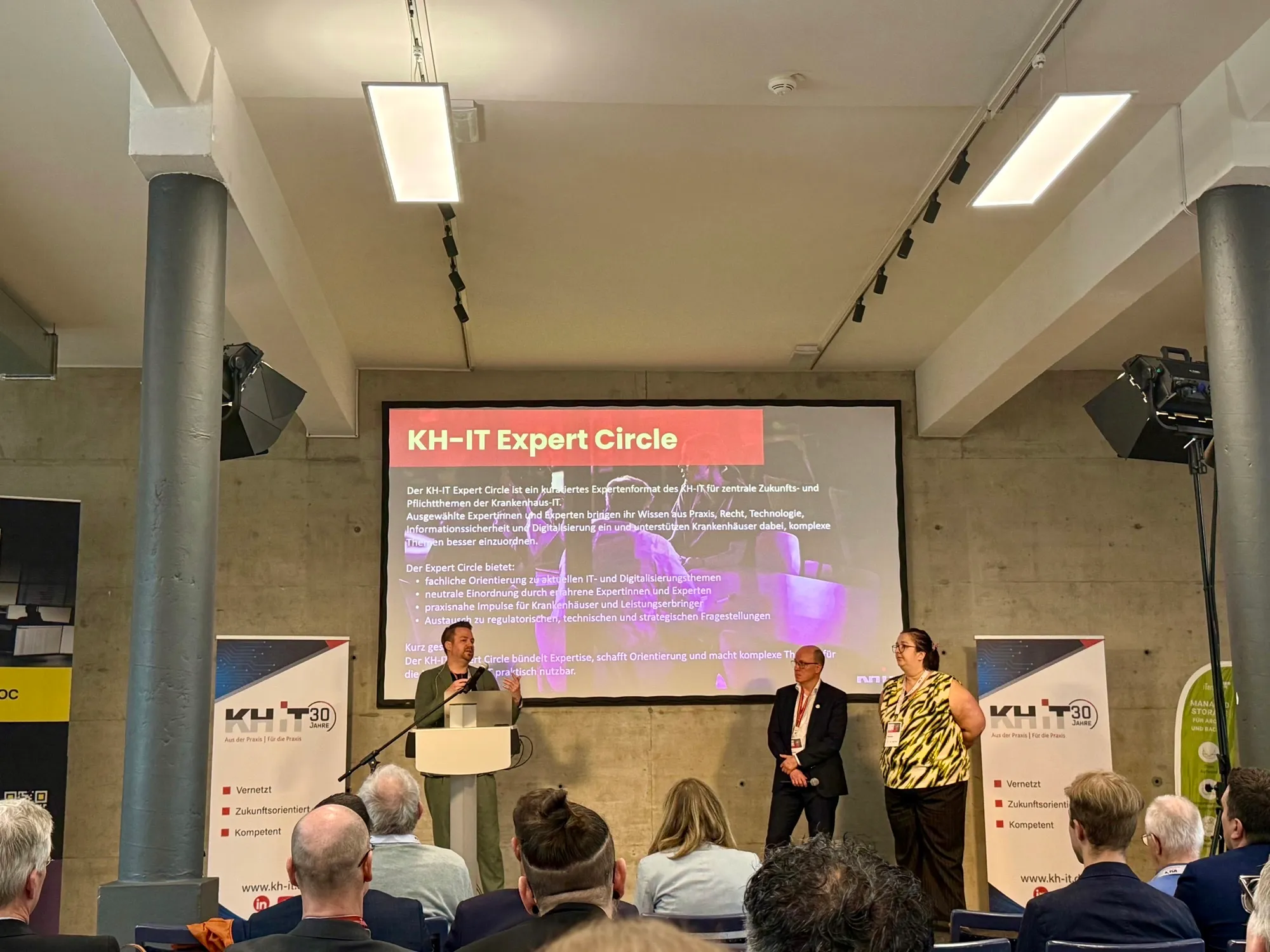
Andreas Lockau, der Vorsitzende des KH-IT, blickte ehrlich auf die aktuellen Zahlen des Verbands. Was ich schätze: Nach drei Jahrzehnten scheut sich die Organisation nicht vor neuen Formaten. “Wir müssen mutiger werden im Austausch”, sagte mir ein IT-Leiter aus Bayern während der Kaffeepause. “Die Probleme werden komplexer, da brauchen wir andere Diskussionsformen.”
Alexandra Heimel berichtete über die neu eingerichteten Arbeitskreise des Vorstands – ein klares Signal, dass der Verband die Herausforderungen der Digitalisierung strukturiert angeht. Vorgestellt wurde auch der neue Geschäftsführer Bastian Stockhausen, der hervorragend moderierte und dem man anmerkt, dass ihm die Themen am Herzen liegen.
Startup-Pitches: Wenn Innovation auf Realität trifft
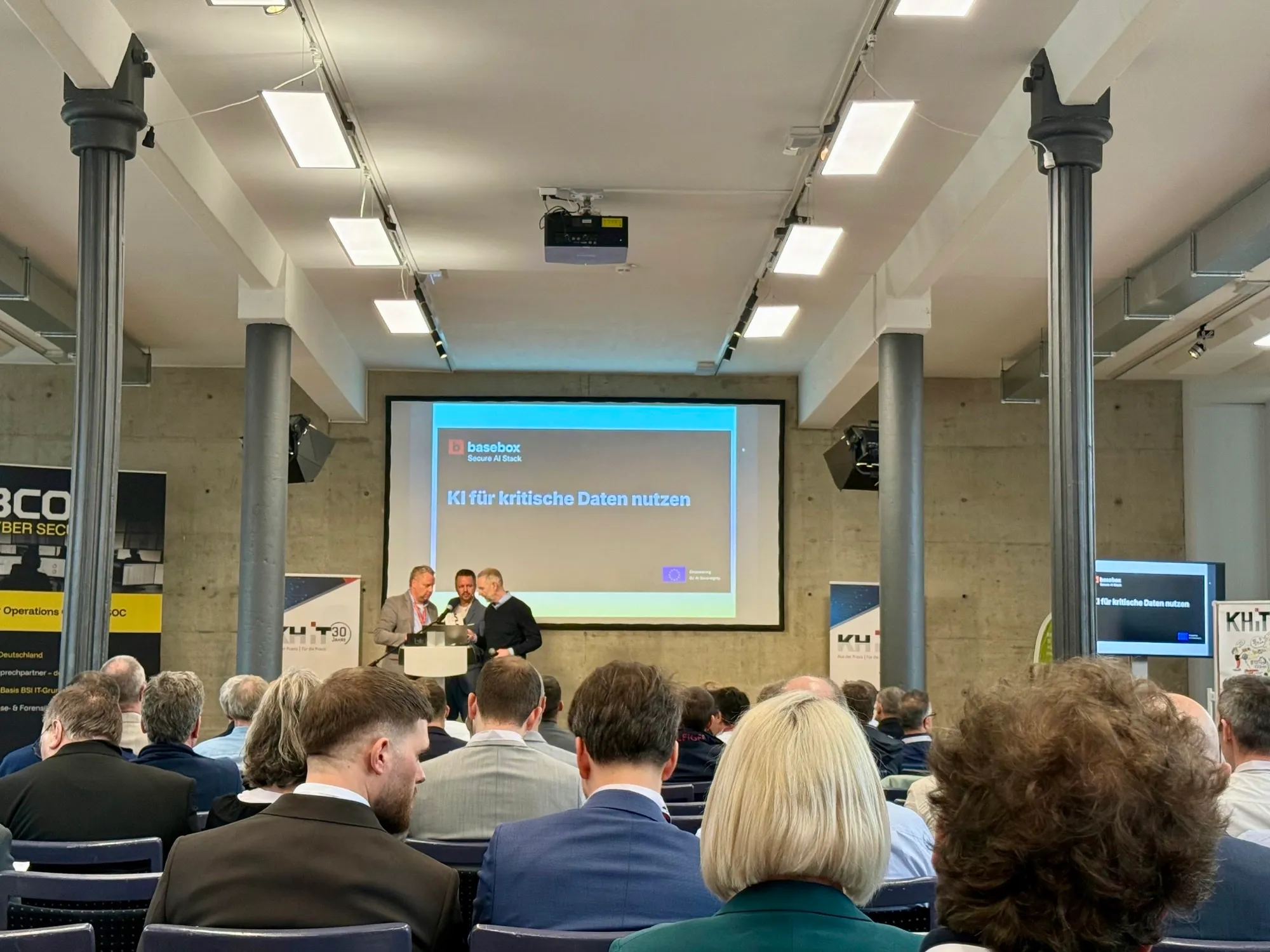
Der erste Tag endete mit den Startup-Pitches – einem Format, das die Kluft zwischen innovativen Ideen und Krankenhaus-Realität deutlich macht. Unser Gründer René Herzer stellte basebox vor – die KI-Plattform für kritische Daten. Das Problem kennt jeder IT-Leitende im Publikum: Krankenhäuser können ihre sensiblen Patientendaten nicht an externe Services wie ChatGPT oder andere Hyperscaler-Lösungen senden.
Genau hier setzt basebox an: Vollständige KI-Funktionalität inklusive Chat, Suche, Dokumentenverarbeitung und Transkription – ohne dass kritische Daten das Krankenhaus verlassen. Ob Self-hosted oder als Managed Service, basebox gibt Kliniken die volle Kontrolle über ihre KI-Infrastruktur zurück. ISO 27001 zertifiziert und DSGVO-konform. Krankenhäuser können KI nutzen und dabei Compliance und Datenschutz einhalten.
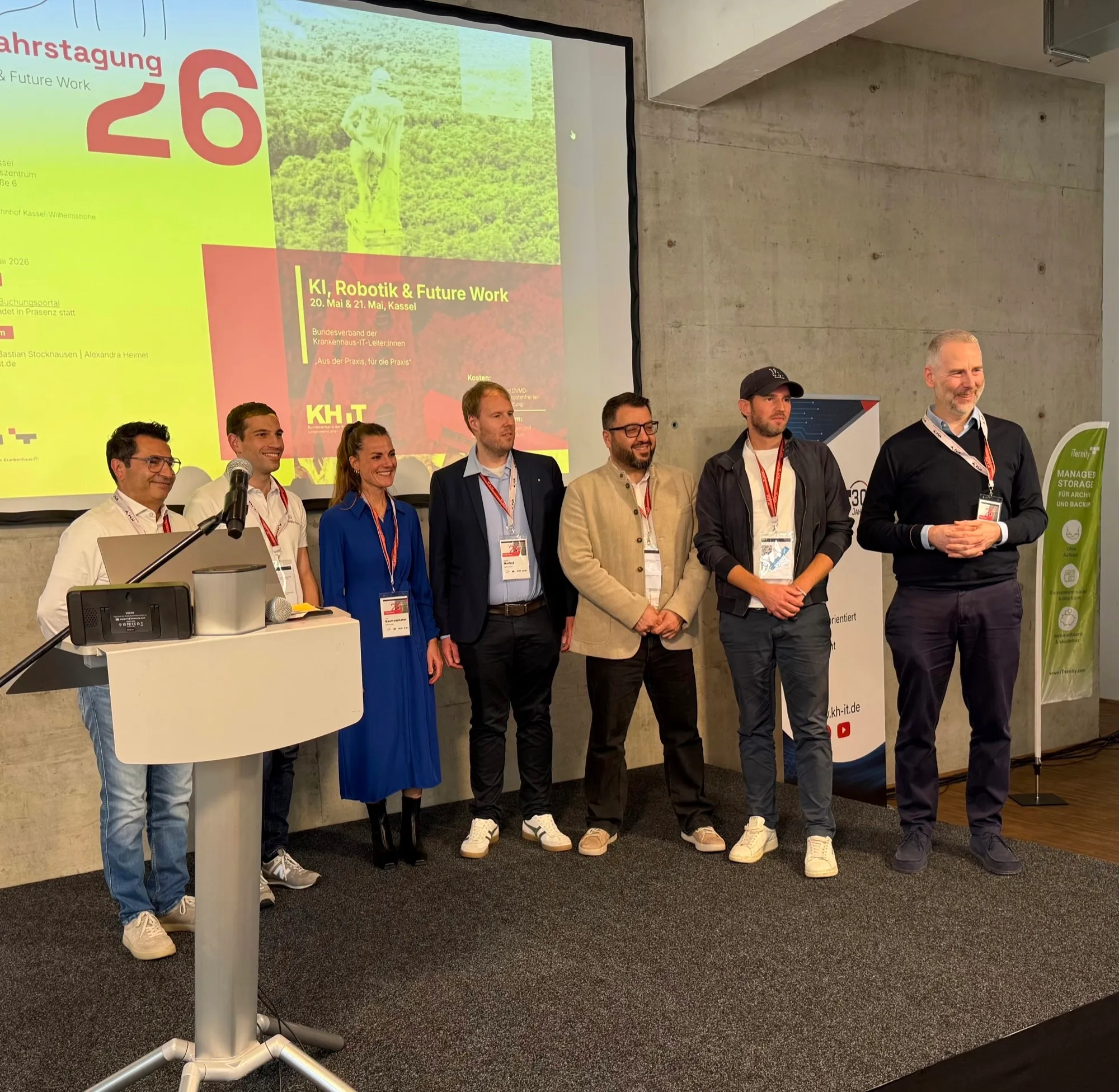
Die anderen Startups zeigten die Bandbreite aktueller Entwicklungen: ubiteq mit Conversational AI, Arietech mit einem Ausfallsystem für das KIS, medicalvalues mit KI-Lösungen als zugelassenes Medizinprodukt, AI Health mit einem Ecosystem für KI-basierte Ressourcenplanung und CLINISERVE mit einer Pflegeprozessplattform.
Herzlichen Glückwunsch an medicalvalues für den verdienten Sieg! Ihr Ansatz mit zugelassenen Medizinprodukten zeigt, wie wichtig es ist, KI nicht nur zu entwickeln, sondern auch regulatorisch sauber umzusetzen.
Das “IT-Wimmelbild” entwirren
Prof. Ramin Assadollahl von der Universität zu Lübeck hielt einen bemerkenswerten Vortrag zu KI und Agentic Coding im Gesundheitswesen. Seine Aussage überraschte mich nicht: Er empfiehlt seinem 16-jährigen Sohn nicht mehr, Informatik zu studieren – ein Zeichen dafür, wie radikal KI die Branche verändert.
Michael Kitzinger (DMI Health-Comm) und Gökhan Günyak (UK Mannheim) brachten die Herausforderungen der Datensouveränität auf den Punkt. Günyaks Vergleich der Krankenhaus-IT mit einem “IT-Wimmelbild” war treffend: “Jeder redet mit jedem über jeweils eigene Schnittstellen.” Diese chaotische Ausgangslage war der Grund, warum wir die basebox KI-Plattform entwickelt haben. Anstatt weitere Insellösungen zu schaffen, bietet basebox eine einheitliche KI-Infrastruktur für alle Anwendungen.
“Die Schaffung eines zentralen Repository für Daten ist nicht nur technisch herausfordernd”, erklärte Kitzinger, “sondern auch organisatorisch ein Mammutprojekt.” Ohne saubere Datengrundlage ist jede KI-Initiative zum Scheitern verurteilt – das bestätigt unsere Erfahrung aus zahlreichen Projekten.
Zwischen Personalknappheit und steigenden Anforderungen
Ein IT-Leiter aus Norddeutschland brachte die Herausforderungen auf den Punkt: “Wir haben zunehmende Personalknappheit, gleichzeitig steigen die Anforderungen an Digitalisierung kontinuierlich. Unsere Mitarbeiter verbringen zu viel Zeit mit repetitiven Aufgaben wie Dokumentenverarbeitung oder der Suche nach Informationen in verschiedenen Systemen.”
Hier zeigt sich der Mehrwert der basebox KI-Plattform: KI kann diese Prozesse optimieren und Personal entlasten – aber nur sicher und regelkonform implementiert. “Wir brauchen Lösungen, die funktionieren und den Compliance-Anforderungen genügen”, bestätigte ein IT-Leiter aus Baden-Württemberg.
Mehr als nur Fachgespräche: Bergpark und bayerische Alm
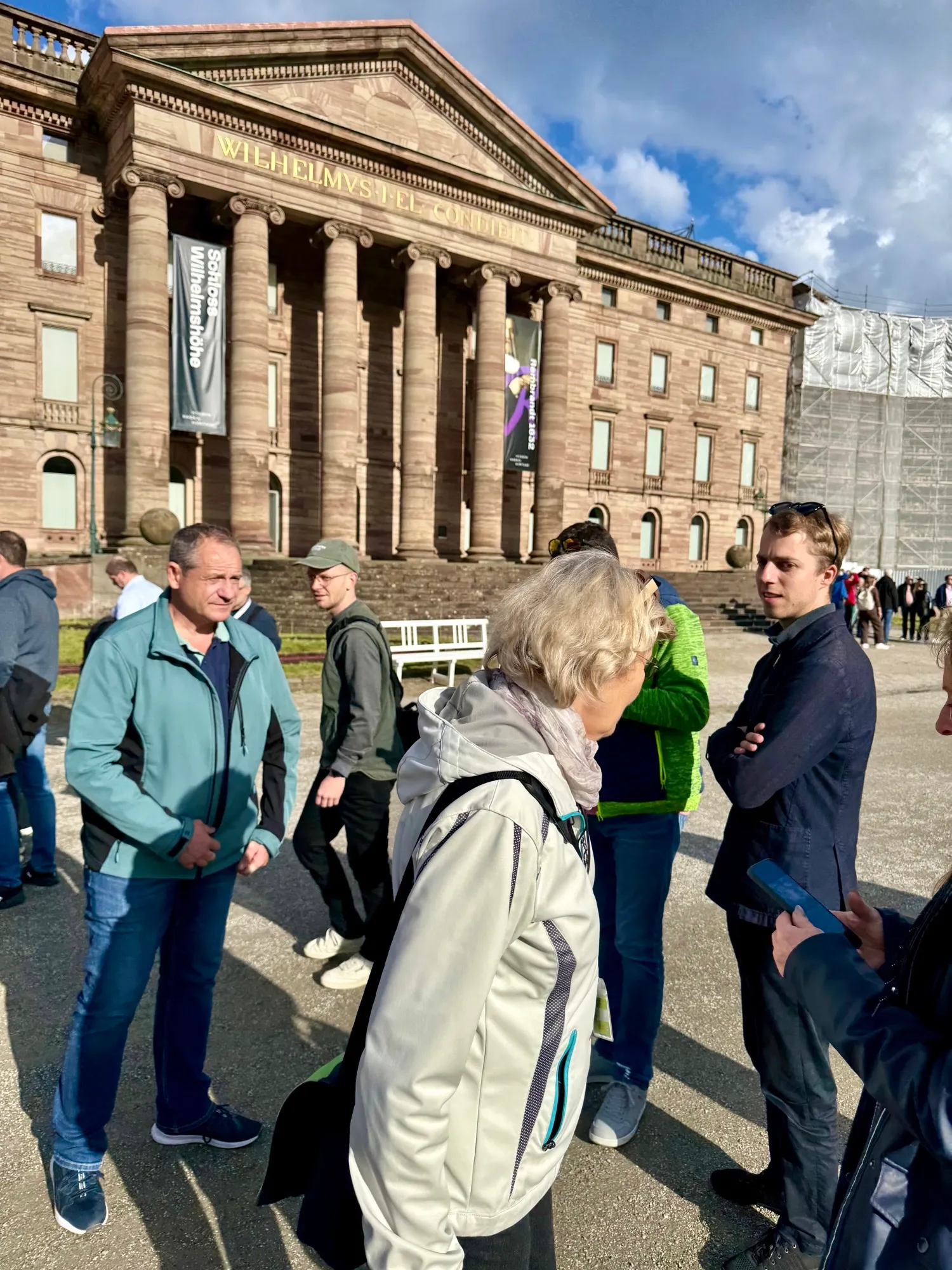
Die KH-IT-Tagung lebt nicht nur von fachlichen Inhalten, sondern auch vom persönlichen Austausch. Nach der Konferenz führte uns eine Wanderung durch den UNESCO-Welterbe Bergpark Wilhelmshöhe – perfekte Kulisse für entspannte Gespräche abseits der Technik-Themen.
Der Abend auf der bayerischen Alm mit traditionellem Essen rundete den Tag ab. “Hier entstehen die besten Geschäftsbeziehungen”, meinte ein Kollege aus München bei Schweinebraten und Weißbier. In dieser entspannten Atmosphäre öffnen sich die Menschen und teilen ihre echten Sorgen und Hoffnungen.
Digitalisierung darf nicht dem Rotstift zum Opfer fallen
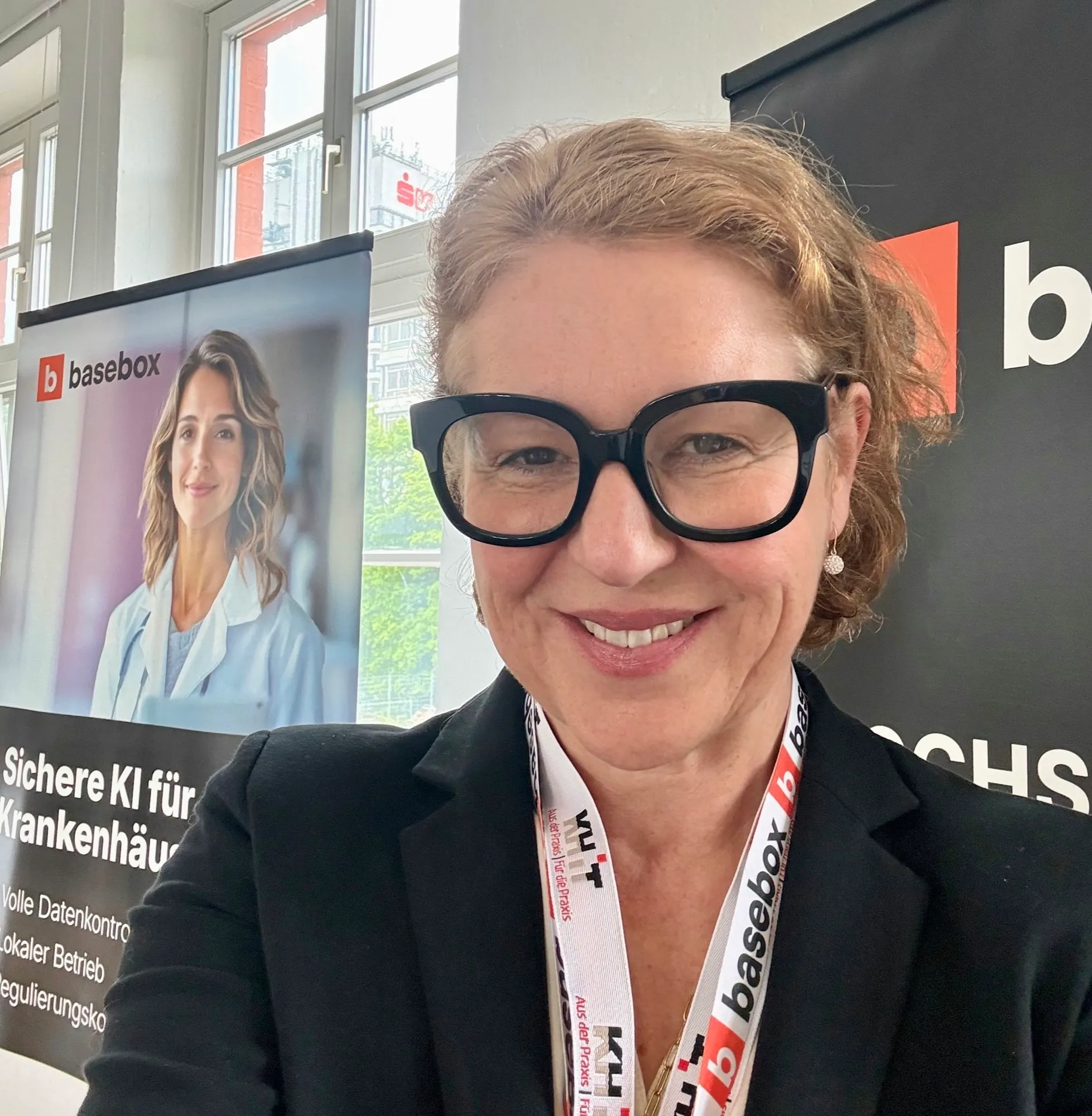
Ein Gedanke beschäftigt mich auch nach der Rückkehr: Digitalisierung im Gesundheitswesen darf nicht dem Rotstift zum Opfer fallen. Der durch das KHZG angestoßene Modernisierungsschub zeigt bereits heute, wie digitale Lösungen Prozesse verbessern, Fachkräfte entlasten und die Versorgungsqualität stärken.
Die Botschaft ist klar: Im Gesundheitswesen soll nicht an der Digitalisierung gespart werden, sondern mit ihr. Beitragsstabilität und Digitalisierung gehören zusammen – der Transformationsprozess muss konsequent fortgeführt werden.
Für basebox bedeutet das: Wir sind auf dem richtigen Weg. Die Gespräche in Kassel zeigten, wo die echten Pain Points liegen und wie wir gemeinsam mit Krankenhäusern Lösungen entwickeln können. Die Barcamp-Formate bewiesen, dass neue Diskussionsformen wichtig sind. Nach 30 Jahren zeigt der KH-IT Mut zur Veränderung – und im Gesundheitswesen geht Compliance vor Innovation, aber das bedeutet nicht Stillstand.